
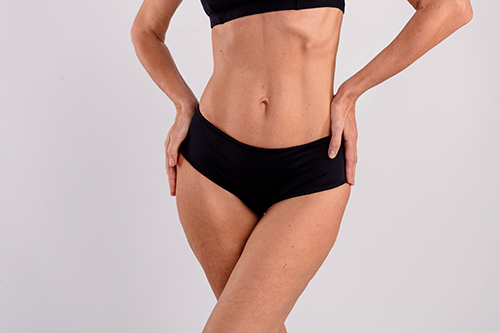
Tummy tucks are done both for medical reasons or simply for cosmetic reasons.
Generally, a plastic surgeon will remove some fat, tighten the remaining skin, and if necessary, insert drainage tubes to help remove excess fluid that the body produces in the area after the procedure is done. Although it’s almost always done under general anesthesia, there are cases where it can be done with twilight sedation or even just local anesthesia.
This procedure is great for patients who consider this a “last-mile effort” of their weight loss program or if they want to tighten any stretched muscles.
On the other hand, the medical reasons patients might have a tummy tuck include having saggy skin after losing weight, having significant and disfiguring scar tissue from various sources, such as a serious burn, infection, or other skin disease, including cancer, or defects in the abdominal or pelvic wall.
To find out how we can personalize the tummy tuck procedure to your needs and requirements, consult with Dr. Shafer at the Shafer Clinic to find out which is best in your particular case.
Tummy Tuck vs Liposuction
Tummy tucks and liposuction are two distinct procedures.
Although surgeons remove some fat during a tummy tuck, this is not the chief goal of the procedure as it is in liposuction. Sometimes, it’s possible to combine the two procedures at the same time, but this will usually lead to an increased recovery time. That makes it only ideal if your specific case warrants it. Liposuction itself is far less invasive, but it does nothing to tighten the loose skin that follows liposuction.
You can combine the two to get the best benefits from both procedures. It’s also not unusual to combine a tummy tuck with a breast lift or other body contouring procedures.
Is a Tummy Tuck for You?
Certain things in your habits, lifestyle, or medical history will disqualify you from having a tummy tuck. Smoking is one such habit because it adversely affects the body’s ability to heal. The same is true of alcohol, particularly if you drink more than one or two drinks per week. Either of these could cause problems at the incision, which could necessitate follow-up surgery. If you plan on becoming pregnant, then that would also contraindicate having a tummy tuck, largely because the tightened skin could rupture and bring about complications.
The last general reason not to have a tummy tuck is if you have a serious chronic condition like diabetes, multiple sclerosis, or heart disease. Be sure to ask both your general practitioner and a surgeon if anything you currently experience will disqualify you from having a tummy tuck.
The Importance of a Professional Consultation
Tummy tucks could be a worthwhile procedure for you as long as it helps you achieve your goals, so be sure to contact Dr. Shafer to find out what’s what.
During your initial consultation, both you and Dr. Shafer will be able to talk about all the pertinent questions you need to so that you’re all fully informed. You may plan to have the procedure and then find out that because of your situation, having it could be life-threatening. Contact the Shafer Clinic today to schedule your appointment.
Frequently Asked Questions
A tummy tuck is a surgical procedure where a plastic surgeon removes excess fat, tightens the remaining skin, and may insert drainage tubes to remove excess fluid. It is performed for both cosmetic reasons, such as tightening stretched muscles after weight loss, and medical reasons, including saggy skin, scar tissue, or defects in the abdominal or pelvic wall.
While both procedures involve fat removal, liposuction primarily focuses on removing fat and is less invasive, but it does not tighten loose skin. A tummy tuck removes some fat but mainly tightens skin and muscles. Sometimes, both procedures can be combined for enhanced results, though this may increase recovery time.
Tummy tucks are almost always performed under general anesthesia. However, in some cases, the procedure can be done using twilight sedation or even local anesthesia, depending on the patient's specific situation and the surgeon's recommendation.
Ideal candidates are individuals who have loose or sagging skin after significant weight loss, stretched muscles, or disfiguring scar tissue. It is often considered a 'last-mile effort' after weight loss. Candidates should also be in good health without habits or conditions that impair healing, such as smoking or chronic diseases.
Smoking and excessive alcohol consumption can impair healing and increase the risk of complications. Additionally, planning pregnancy, or having chronic conditions like diabetes, multiple sclerosis, or heart disease, may disqualify a patient. It is important to consult both a general practitioner and surgeon to assess eligibility.
Yes, a tummy tuck can be combined with other body contouring procedures such as liposuction or a breast lift. Combining procedures can provide comprehensive aesthetic results but may also increase recovery time, so it should be considered based on individual needs and medical advice.
During the consultation, you will discuss your goals, medical history, and any concerns with Dr. Shafer. The surgeon will evaluate your condition to determine if a tummy tuck is safe and suitable for you. This is also the time to ask questions and understand the risks, benefits, and personalized treatment plan.
A professional consultation ensures that the procedure is tailored to your specific needs and that any potential risks or contraindications are identified. It helps you make an informed decision and avoid life-threatening complications by assessing your overall health and goals with an expert.
Medical reasons include saggy skin after weight loss, significant and disfiguring scar tissue from burns, infections, skin diseases like cancer, or defects in the abdominal or pelvic wall. In these cases, a tummy tuck can help restore function and appearance.
Smoking adversely affects the body's ability to heal, increasing the risk of complications at the incision site, which may require additional surgery. Patients are generally advised to quit smoking before undergoing a tummy tuck to promote better healing and reduce risks.


