
The newest beauty trend is all about getting a natural glow, sans the sun’s rays (which is great because winter). But what exactly are these skin-brightening creams, and how do they work? A skin brightener lightens and evens out skin tone, says Stefani T. Kappel, MD, a cosmetic dermatologist and dermatological surgeon. “What makes skin ‘glow’ is having an even amount of pigmentation throughout your face,” Kappel says. “The brighteners will never take away from your natural pigmentation, which is a common misconception, but they do help lighten areas where there is too much pigmentation.”
Basically, these products control the amount of melanin pigment produced in your skin—too much leads to melasma, uneven tone, and brown spots (by the way, skin brighteners are more than just creams—they run the gamut from serums to oils and even masks). There are actually 14 different steps that are necessary for melanin production. “You can think of it as a ladder, and these products are taking different steps off of the ladder to block the production of melanin at the top,” says Kappel.
Common ingredients in brighteners include hydroquinone, kojic acid, vitamin C, alpha-hydroxy acids, arbutin, retinol, and azelaic acid. Kappel says she must note that hydroquinone has gotten a bad rap because of some case studies in which large quantities were used. However, when it’s applied properly, she says, it’s safe and very effective. Also of importance: You can use skin-brightening creams year-round, but it’s best to focus on them this time of year. “It’s most effective to treat hyperpigmentation in the winter months when the sun’s rays aren’t as strong,” says Kappel.
Scroll down to see the top 12 skin-brightening creams that Kappel and other skin experts always recommend.
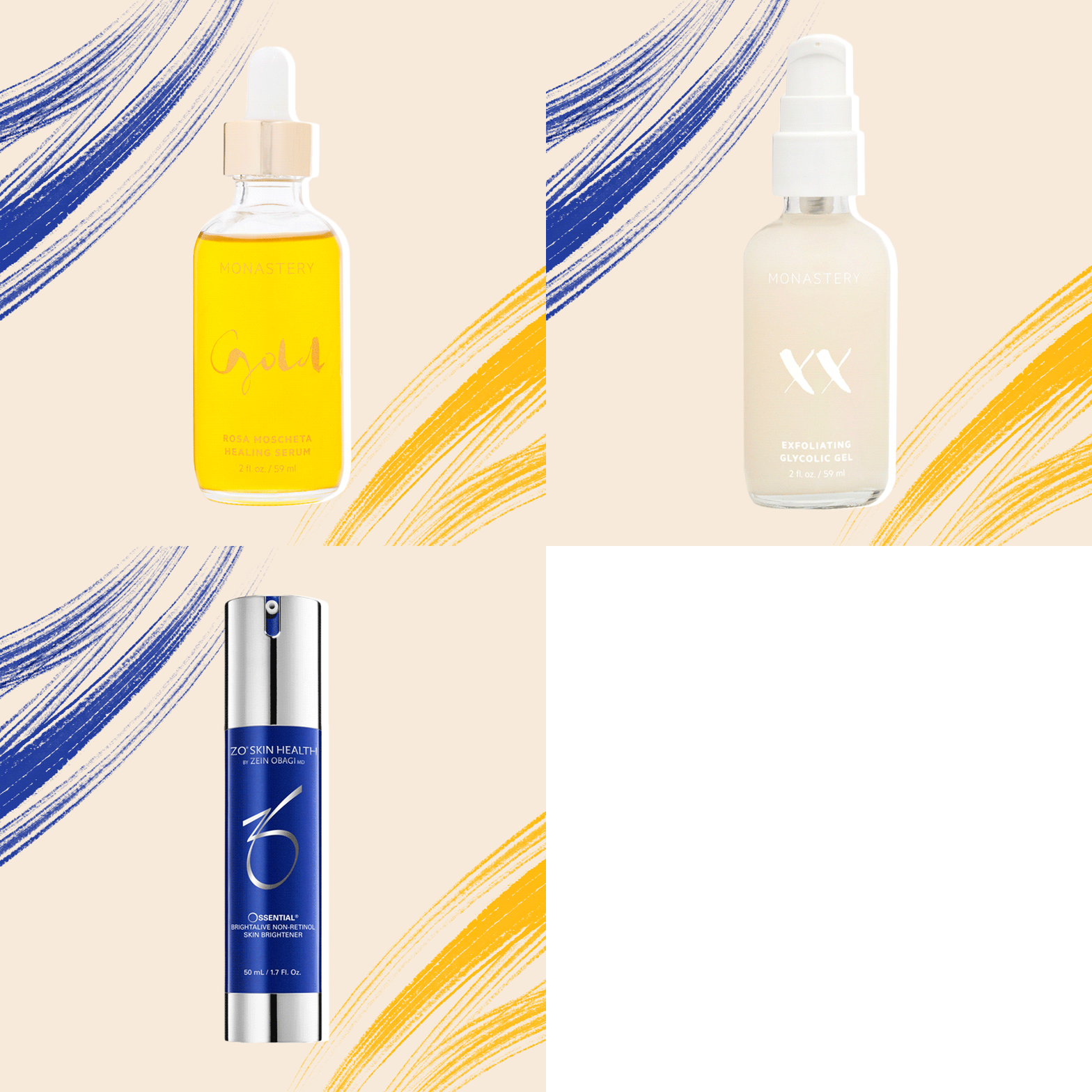
Zo Skin Health Ossential Brightalive Non-Retinol Skin Brightener ($120)
“Ossential Brightalive blocks the skin’s ability to make pigmentation in areas where that production is overactive like melasma and brown spots. In my experience, over-the-counter bleaching creams like this are more effective and have fewer side effects.” — Stefani T. Kappel, MD, cosmetic dermatologist and dermatological surgeon
Monastery XX Exfoliating Glycolic Gel ($68)
“I use a safe approach to diminish darkened skin—I send clients home with our XX glycolic acid gel and our Gold Botanical Healing Serum (see below). The glycolic acid exfoliates the surface of the epidermis and allows the red raspberry seed oil in our Gold Healing Serum to work even more effectively.” — Athena Hewett, Cidesco-certified medical esthetician, owner of Athena Ellen Skincare + Apothecary, and founder of Monastery organic skincare
Monastery Gold Botanical Healing Serum ($128)
“Our Gold Healing Serum has red raspberry seed as an ingredient, which contains a strong antioxidant that inhibits UV damage and stimulates cell repair in darkened spots.” — Athena Hewett
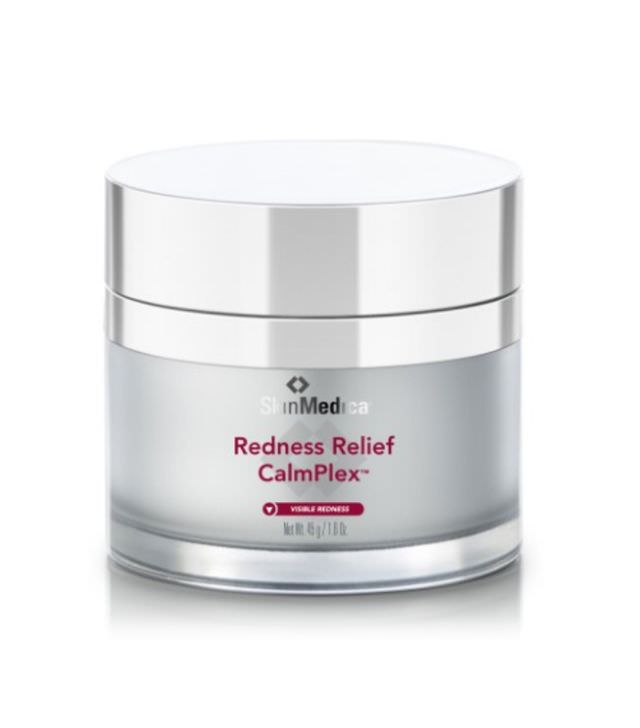
SkinMedica Redness Relief CalmPlex ($88)
“This cream uses niacinamide as one of the components of its CalmPlex technology. It’s the driving factor in its ability to brighten skin naturally—it strengthens the skin’s barrier and improves repair function.” — Graceanne Svendsen, celebrity facialist, cosmetic laser specialist, and holistic health coach at Shafer Plastic Surgery
Zo Skin Health Retamax Active Vitamin A Micro Emulsion ($145)
“One of my favorite skin-brightening creams is Retamax. Apply it right after washing your face—it should always go on first under sunscreen and makeup.” — Stefani T. Kappel, MD, cosmetic dermatologist and dermatological surgeon
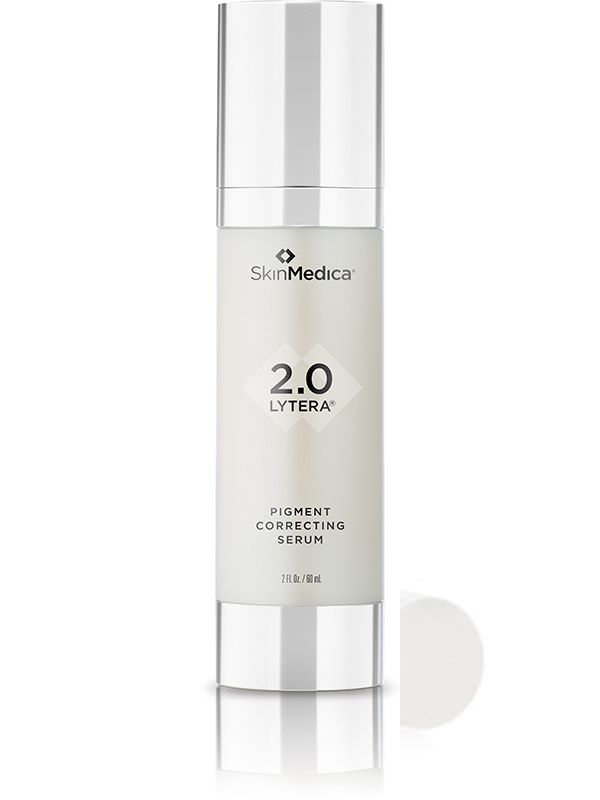
SkinMedica Lytera Skin Brightening Complex ($130)
“I recommend cleansing with a Clarisonic brush and then applying SkinMedica Lytera 2.0 twice a day. I also created a powerful skin lightening and anti-aging cream called , which targets skin discoloration—it’s available exclusively in my New York City office.” — Lisa Airan, MD, dermatologist
“Lytera works at the cellular level. This means that it may take days to weeks to start to see the benefits, but they are real and structural in the skin, not just camouflage or superficial.” — David Shafer of Shafer Plastic Surgery
Ed. note: Four out of seven of our skin experts recommended this cream.
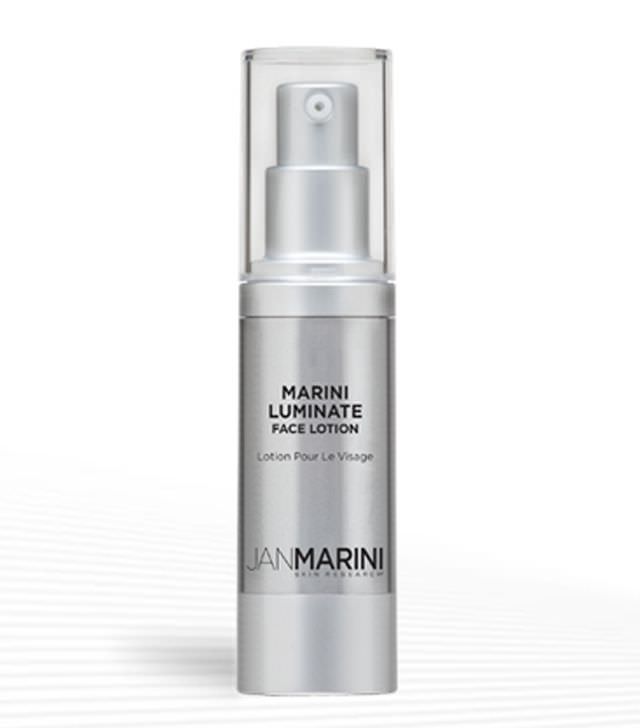
Jan Marini Marini Luminate Face Lotion ($98)
“Arbutin and licorice extract work to brighten skin. Apply the product every other evening and then increase your frequency because the formulation can irritate skin at first.” — Craig Kraffert, board-certified dermatologist and president of Amarte
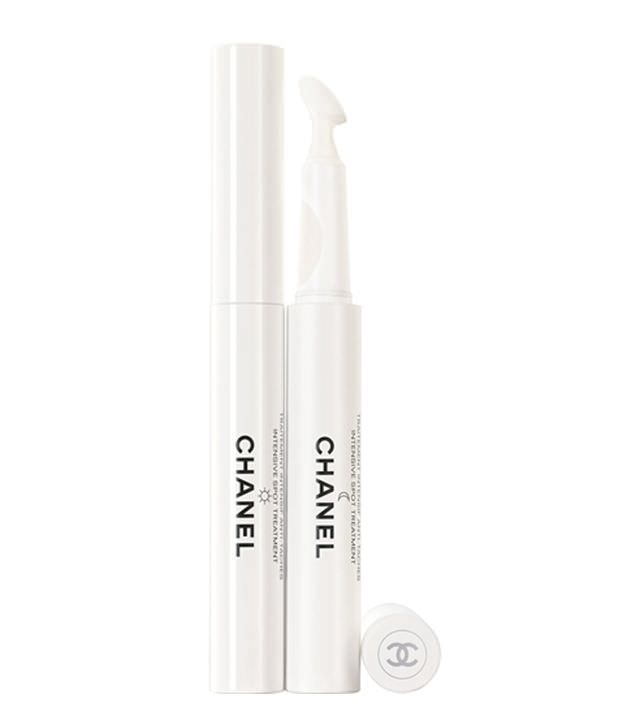
Chanel Le Blanc Day/Night Intensive Spot Treatment ($130)
“This serum contains kojic acid, a natural substance from fungi that works to decrease melanin (melanin protects us from the sun). When melanin levels decrease, the skin lightens dramatically, and I have seen many clients have great results. It’s important to note that if you are using a product with kojic acid, you should be extremely diligent about sun protection.” — Athena Hewett
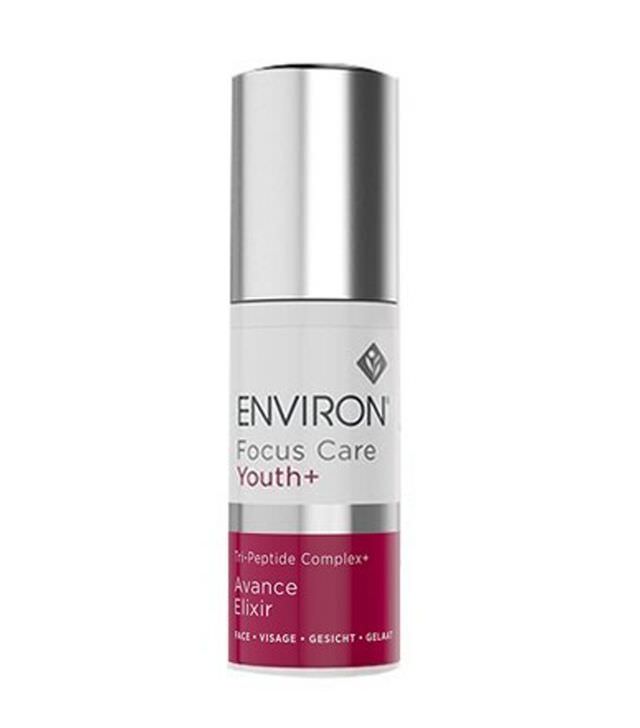
Environ Tri-Peptide Complex + Avance Elixir ($136)
“I love this lightweight serum because it uses new unique brightening extracts combined with highly-researched peptides for firming. It’s great for targeting brightening while also plumping and lifting at the same time.” —Jordana Mattioli, esthetician

Amarte Aqua Cream ($93)
“Our Aqua cream contains 1% retinol, alpha-arbutin, elemental sulfur, and a blend of natural extracts for a broad-spectrum approach to brightening. Plus, it’s very lightweight and has immediate absorption.” — Craig Kraffert
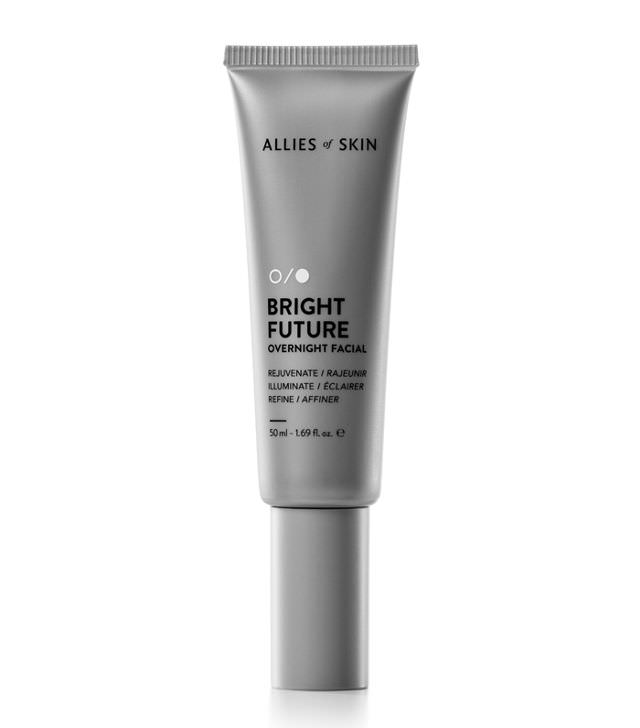
Allies of Skin Bright Future Overnight Facial ($120)
“This is perfect for streamlining your brightening routine because it’s an all-in-one product for the evening. It includes proven brighteners like niacinamide and licorice root along with alpha hydroxy acids, retinol, and other ingredients that build collagen.” — Jordana Mattioli, esthetician
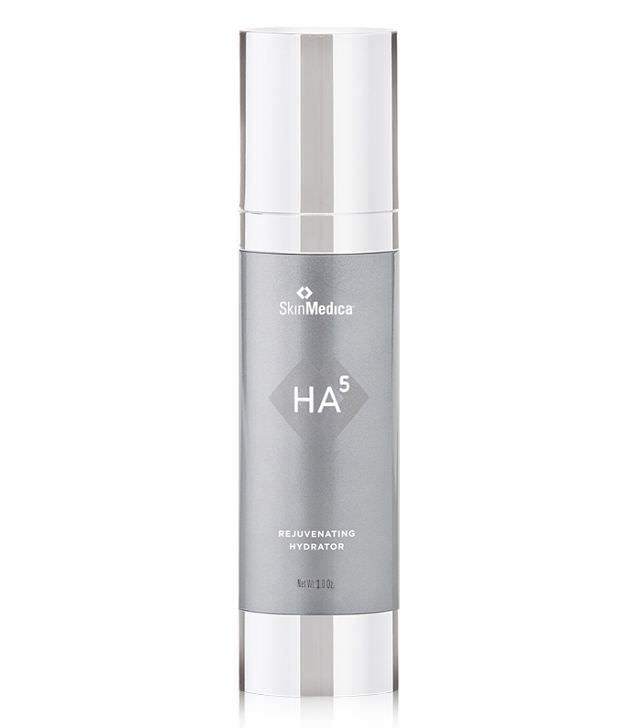
SkinMedica HA5 Rejuvenating Hydrator ($178)
“Water may be one of the best ‘brightening creams!’ HA5 Hydrator works on the prediction that as we age, our natural ability to hydrate our skin with hyaluronic acid made naturally in our body diminishes. Five different types of hyaluronic acid create fluffy, bright, and supple skin much like a personal trainer sculpts muscles out of their client’s physiques.” — Graceanne Svendsen, celebrity facialist, cosmetic laser specialist, and holistic health coach at Shafer Plastic Surgery
Have you ever used skin-brightening creams? If so, share your favorite in the comments, and then read about the best ways to pamper yourself.
Frequently Asked Questions
Skin-brightening creams are products designed to lighten and even out skin tone by controlling melanin production. They do not remove your natural pigmentation but help reduce excess pigmentation that causes dark spots and uneven tone. These creams work by blocking different steps in the melanin production process to prevent overproduction.
Common ingredients in skin-brightening creams include hydroquinone, kojic acid, vitamin C, alpha-hydroxy acids, arbutin, retinol, and azelaic acid. Each ingredient targets melanin production or skin renewal to help reduce dark spots and improve skin brightness.
When used properly and in recommended amounts, hydroquinone is safe and effective for brightening skin. Although it has received negative attention due to misuse in large quantities, dermatologists confirm its safety under professional guidance.
Yes, skin-brightening creams can be used throughout the year. However, they are most effective during the winter months when sun exposure is lower, which helps prevent further pigmentation and allows the creams to work better.
Skin brighteners come in various forms including serums, oils, masks, and gels, in addition to creams. This variety allows users to choose products that best fit their skin type and routine preferences.
For optimal results, apply skin-brightening creams after cleansing, often before sunscreen and makeup. Some products, like retinol-based creams, should be applied first on clean skin. Consistent use as directed by the product or dermatologist is key.
Sun protection is crucial because many brightening ingredients, such as kojic acid, can make skin more sensitive to UV rays. Using sunscreen prevents further pigmentation and protects the skin from damage while brightening treatments work.
Experts recommend products like Zo Skin Health Ossential Brightalive, SkinMedica Lytera Skin Brightening Complex, Jan Marini Luminate Face Lotion, and Allies of Skin Bright Future Overnight Facial. These contain effective brightening ingredients and have been praised for their results and safety.
Results vary by product and skin type, but some creams like SkinMedica Lytera work at the cellular level and may take days to weeks to show visible improvements. Consistent use over time is necessary for lasting effects.
Some skin-brightening products, especially those with active ingredients like alpha-hydroxy acids or retinol, can cause initial irritation. It's recommended to start with less frequent application and gradually increase to allow the skin to adjust.
Certain brightening products also include ingredients that hydrate, firm, and repair the skin, such as peptides and antioxidants. For example, Environ Tri-Peptide Complex combines brightening with firming effects, while SkinMedica HA5 hydrates and plumps skin.


