
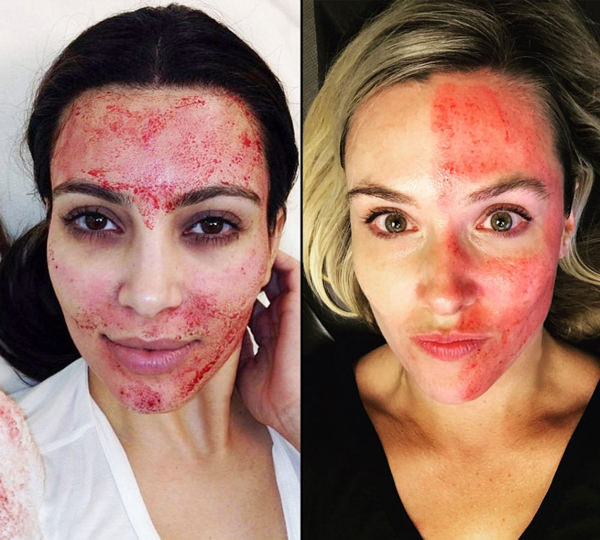
Would you dare to get your own blood injected into your face with nine needles? Kim Kardashian isn’t the only one who has tried a “PRP facelift,” which involves microneedling PRP (platelet-rich plasma) into the skin to rejuvenate, increase collagen production and reduce signs of aging. Stylish took this popular beauty procedure for a test drive to see exactly how it works and what you need to know before getting one.
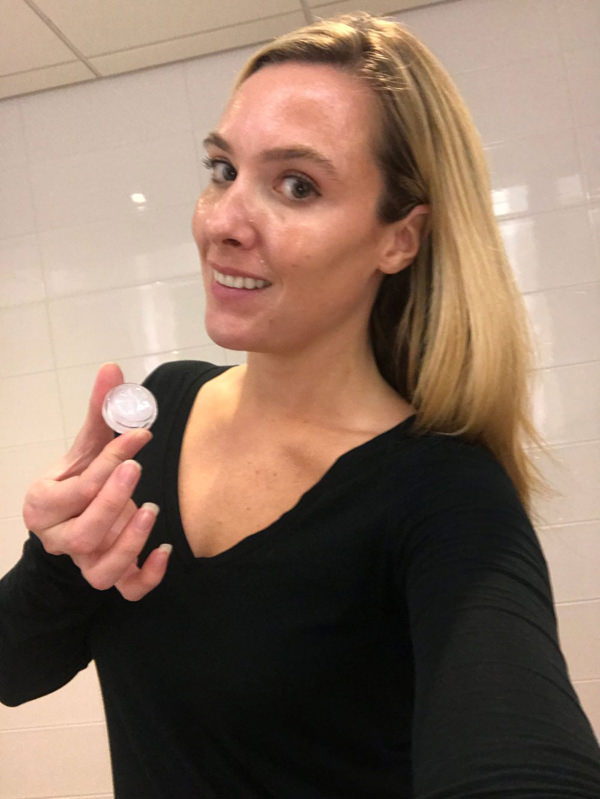
1. Get numb.
I arrived at plastic surgeon and RealSelf contributor Dr. David Shafer’s New York office for my first-ever PRP facelift. They gave me a lidocaine and tetrocaine numbing cream to apply all over my face, which takes about 30 minutes to kick in. Having done it, I can now tell anyone who’s thinking of trying it that you may want to bring a hair tie to keep it from getting in your hair (which happened to me), and if you drink water while numbing, use a straw so that your throat doesn’t get numb too! Numbing cream is optional, but I highly recommend it. The doctor also advises that you should stop using any retinols or AHAs one week before treatment.
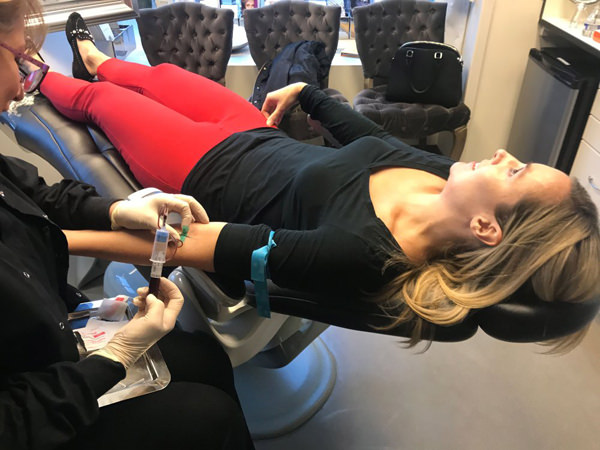
2. Get your blood taken.
A nurse stuck a needle into my arm to withdraw blood, which contains the PRP. It only took a minute or two to get the full tube that they needed. I didn’t look for this part.
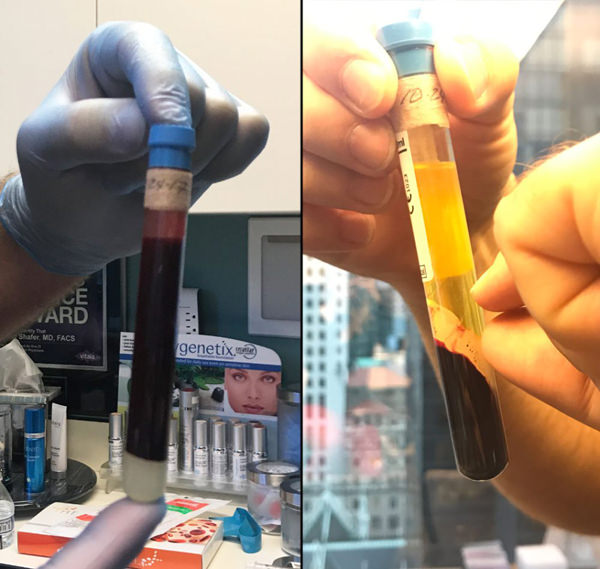
3. Spin out the PRP.
Although they take a whole tube of your blood, not all of it gets used during the facial. The vial gets put into a centrifuge, which separates the blood into different layers. A few minutes later, Dr. Shafer showed me the white PRP layer, which gets drawn out with a needle and put back into the face with the microneedles.
4. Get needled.
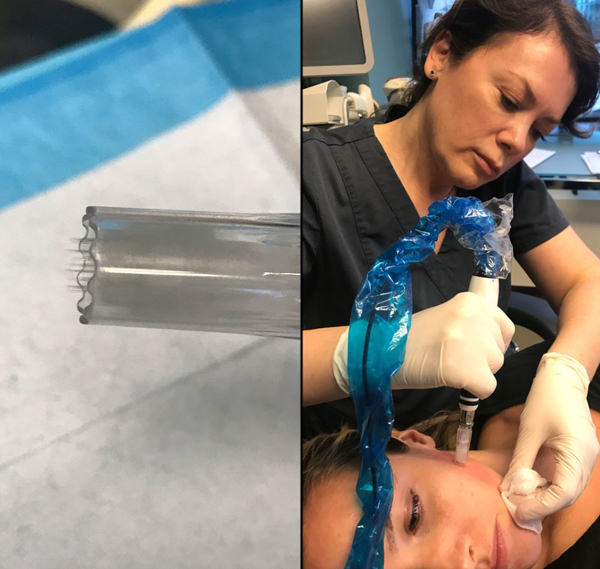
Aesthetician Graceanne Svendsen began the microneedling process using a Rejuvapen device, which features tiny needles that puncture your skin as she applies the PRP. “When you microneedle, we’re putting the PRP on the skin and using the microneedles to make channels in the skin to help it penetrate to the deeper layers,” Dr. Shafer explained. Here’s where I was glad I got the numbing cream. The pain was probably about a 5 out of 10 but I imagine it would be much worse if I wasn’t numb. And note: the area around your eyes and lips will hurt more.
5. Grin and bare it.
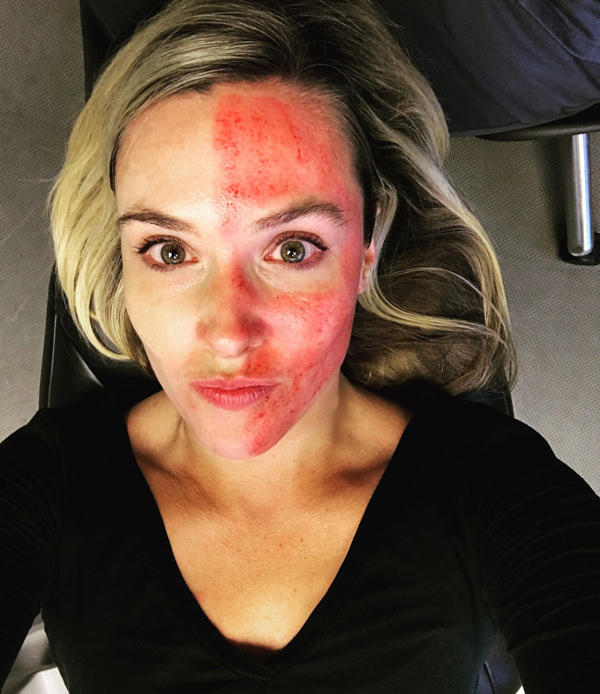
The microneedling process takes about 20 minutes, and while it looked scary, the doctor assured me it was totally normal for my face to bleed during the process. In addition to the PRP being injected into pores, you can opt to add on ingredients such as Botox, Juvéderm® or hyaluronic acid during microneedling, but I just got the PRP with Vitamin B 12.
6. Expect extreme redness.
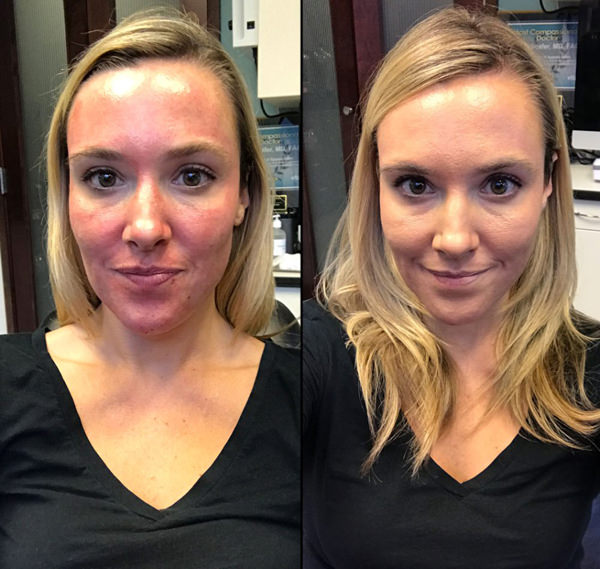
Immediately after the PRP facelift, my face was very red and swollen. You typically aren’t allowed to wear any normal makeup at all for 24-36 hours because pores are wide open, so don’t plan to go on a date or back to the office after getting this done! Luckily, Dr. Shafer’s office carried Oxygenetix, a medical grade, superstrong foundation which can be used right after microneedling that totally concealed that my face looked like a raw tomato. While they apply it for free after each procedure, a bottle costs $66 if you want to buy it and use it at home. Some offices don’t provide anything after your procedure, so expect to be red and raw. Don’t wash your face that night or apply any products.
7. Wait.
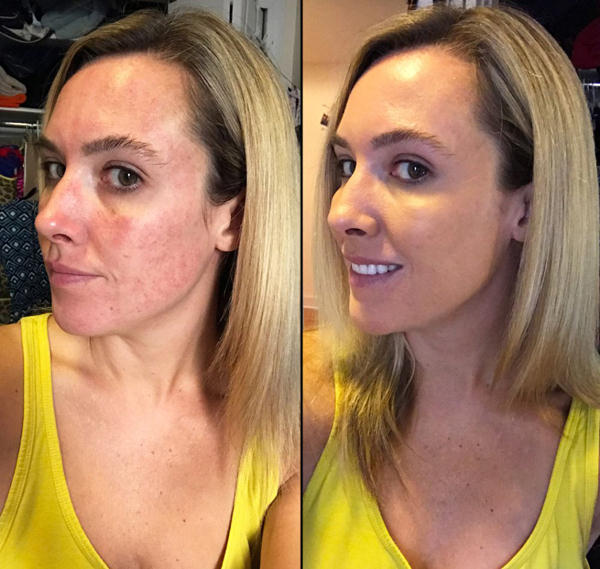
The morning after the procedure, my face was still very red and splotchy. Again, the Oxygenetix was a lifesaver as you’re still not supposed to wear makeup the next day. I was able to go to work and have no one know how it looked underneath.
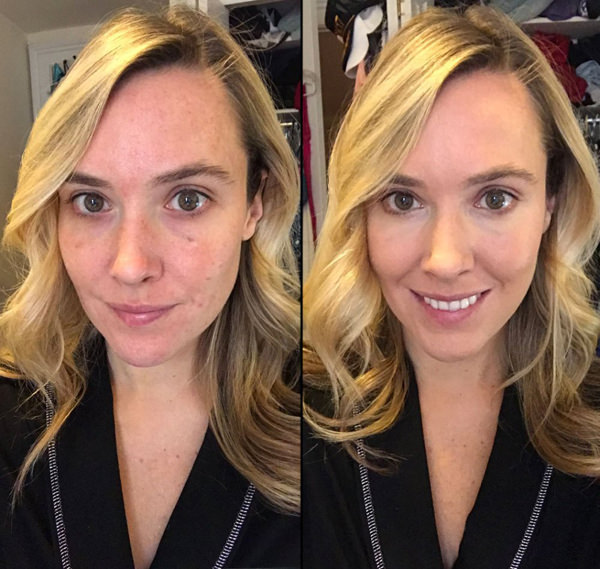
8. Resume your usual makeup routine.
Two days afterwards, I could start using my normal cosmetics and skincare products again. I still had some redness but it was starting to improve by the second day. Dr. Shafer said to expect for skin to feel dry or peel and avoid any retinols or AHAs for a week after the procedure as well.
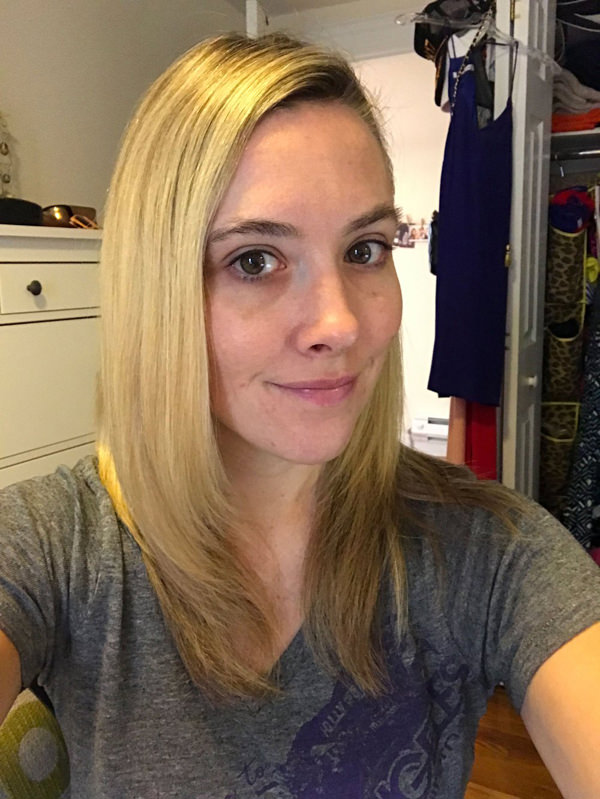
9. Be patient.
Six days after my PRP facelift, my skin was no longer red or splotchy but it also wasn’t glowing … yet. You’ve got to give it some time to see the benefits of this procedure, as my skin cells are still regenerating, apparently. “The collagen stimulation and the rejuvenation effect is four to six weeks,” Dr. Shafer assured me, adding that most patients get multiple sessions. Microneedling has a 88% Worth It Rating on RealSelf, the largest online destination to get info about elective cosmetic procedures, so I’m hopeful that the temporary pain and redness will be nothing compared to my improved complexion in the future. The PRP facelift costs $1,500 and microneedling only is $500 at Dr. Shafer’s practice. One more upside to microneedling: unlike laser treatment, it’s safe to do on darker skin tones.
Frequently Asked Questions
A PRP facelift involves microneedling platelet-rich plasma (PRP) into the skin to rejuvenate it, increase collagen production, and reduce signs of aging. The procedure uses your own blood, which is drawn, spun in a centrifuge to separate the PRP, and then applied to the skin with tiny needles to promote deeper penetration and skin regeneration.
Numbing cream is optional but highly recommended for a PRP facelift because the microneedling process can cause moderate pain, especially around sensitive areas like the eyes and lips. Applying lidocaine and tetracaine numbing cream about 30 minutes before the procedure helps reduce discomfort significantly.
Before a PRP facelift, you should stop using retinols or alpha hydroxy acids (AHAs) at least one week prior to the treatment. This helps prepare your skin and reduce irritation during the procedure. Also, consider bringing a hair tie to keep numbing cream out of your hair and use a straw if drinking water to avoid numbing your throat.
A nurse draws a tube of your blood, which is then placed in a centrifuge to separate the platelet-rich plasma from other blood components. Only the PRP layer is used for the facial, which is extracted and applied to your skin during microneedling to stimulate rejuvenation.
The microneedling process takes about 20 minutes. It involves tiny needles puncturing the skin to create channels for PRP absorption. With numbing cream, the pain is moderate (around 5 out of 10), but it can be more intense around the eyes and lips. Some bleeding during the procedure is normal.
Immediately after the procedure, expect extreme redness and swelling. Your pores will be wide open, so wearing normal makeup is not allowed for 24-36 hours. Some clinics provide medical-grade foundation like Oxygenetix to conceal redness, but if not, your skin will look raw and red for a while.
You can typically resume your normal skincare and makeup routine about two days after the procedure once the redness starts to subside. However, avoid retinols and AHAs for at least one week post-treatment to allow your skin to heal properly.
The full collagen stimulation and skin rejuvenation effects of a PRP facelift usually take four to six weeks to become visible. Multiple sessions are often recommended to achieve optimal results, as skin cells continue regenerating during this period.
Yes, microneedling with PRP is safe for all skin tones, including darker skin. Unlike some laser treatments, it does not carry a high risk of pigmentation issues, making it a versatile option for skin rejuvenation across diverse skin types.
At Dr. Shafer’s practice, a PRP facelift costs approximately $1,500. For those interested in microneedling without PRP, the cost is around $500. Prices may vary depending on the provider and location.


